Multimodal Vision System for Mobility Assessment in Parkinson's Elderly
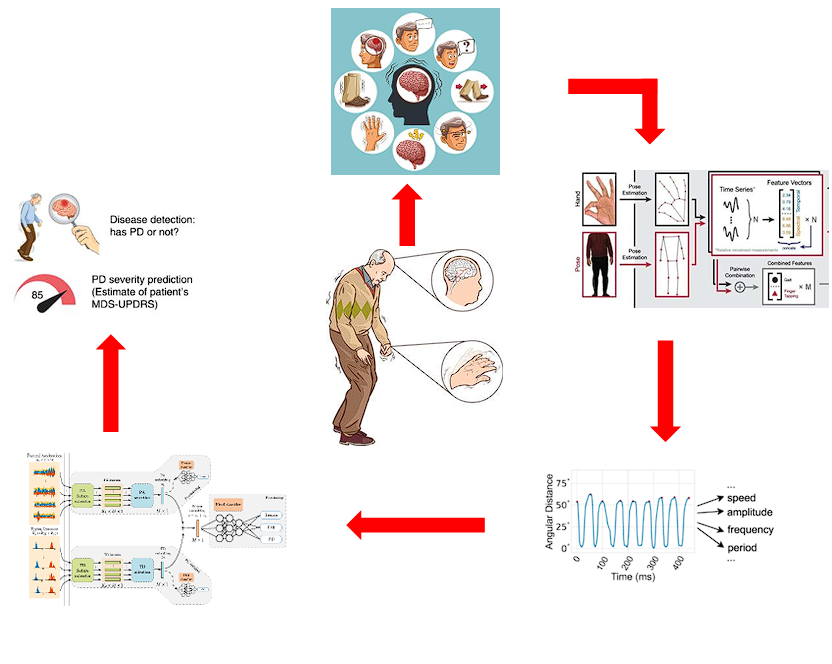
Falls are a major cause of injury and death among the elderly, often leading to reduced mobility and independence. Physical activity and functional mobility are crucial for healthy ageing, and their decline negatively impacts quality of life. Parkinson's disease, a progressive neurological disorder caused by dopamine loss, worsens mobility and independence. Though there is no cure, treatments like medication, therapy, and deep brain stimulation help manage symptoms.
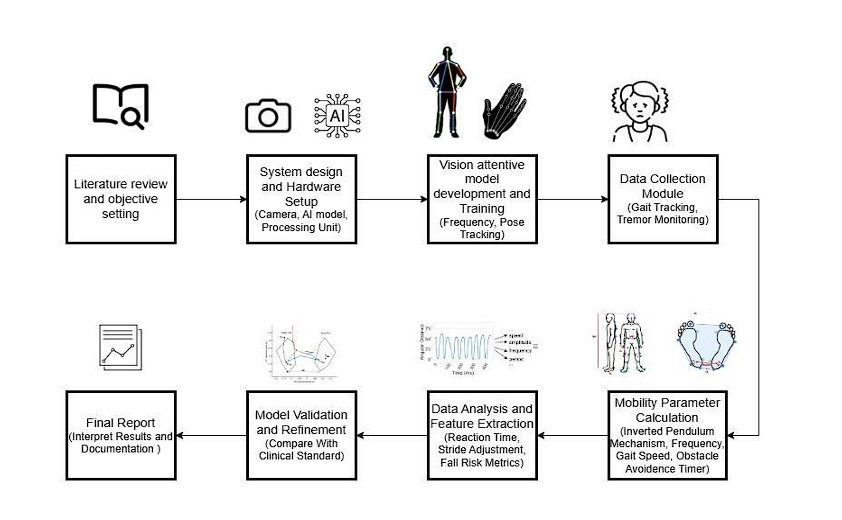
System Architecture
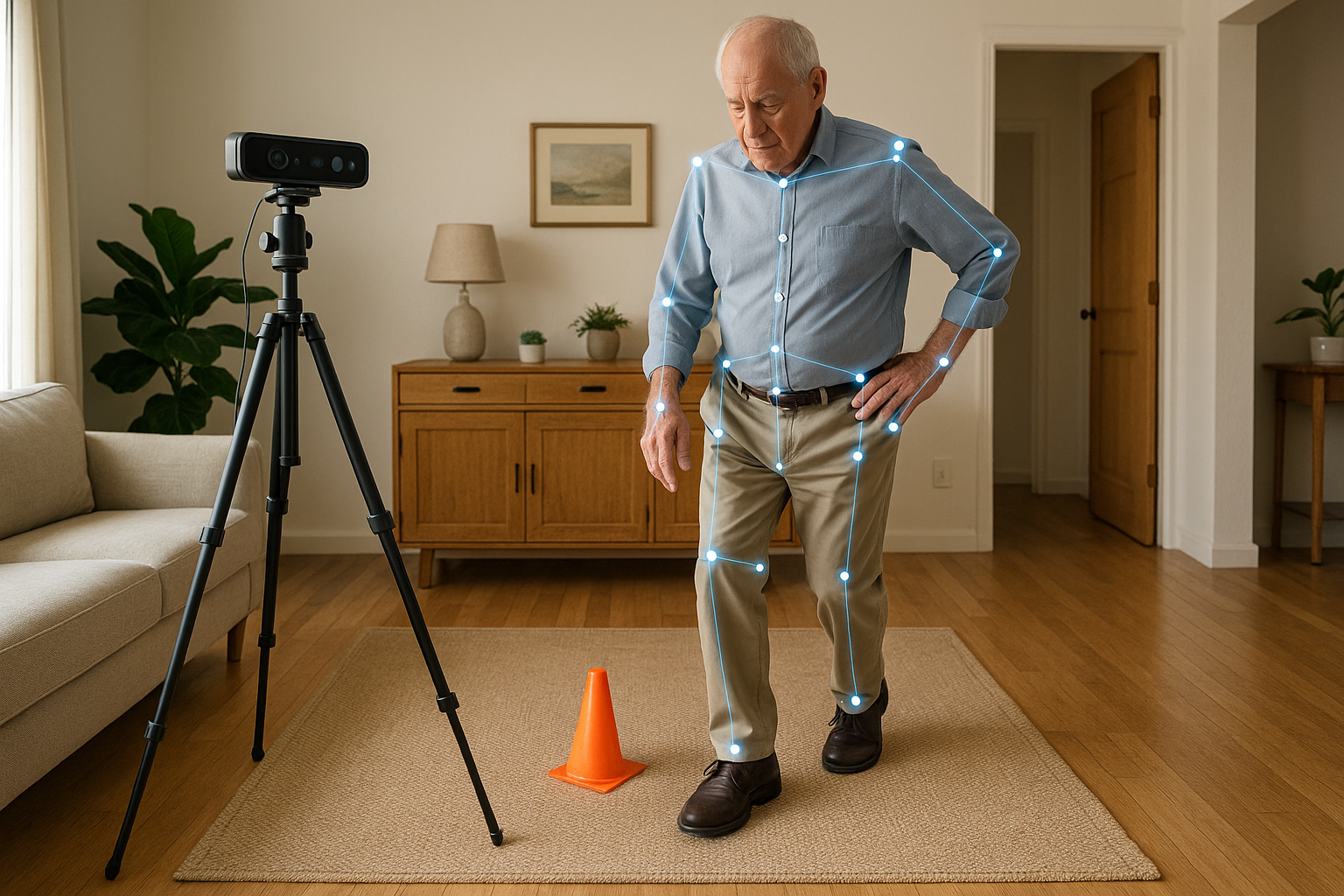
AI Implementation
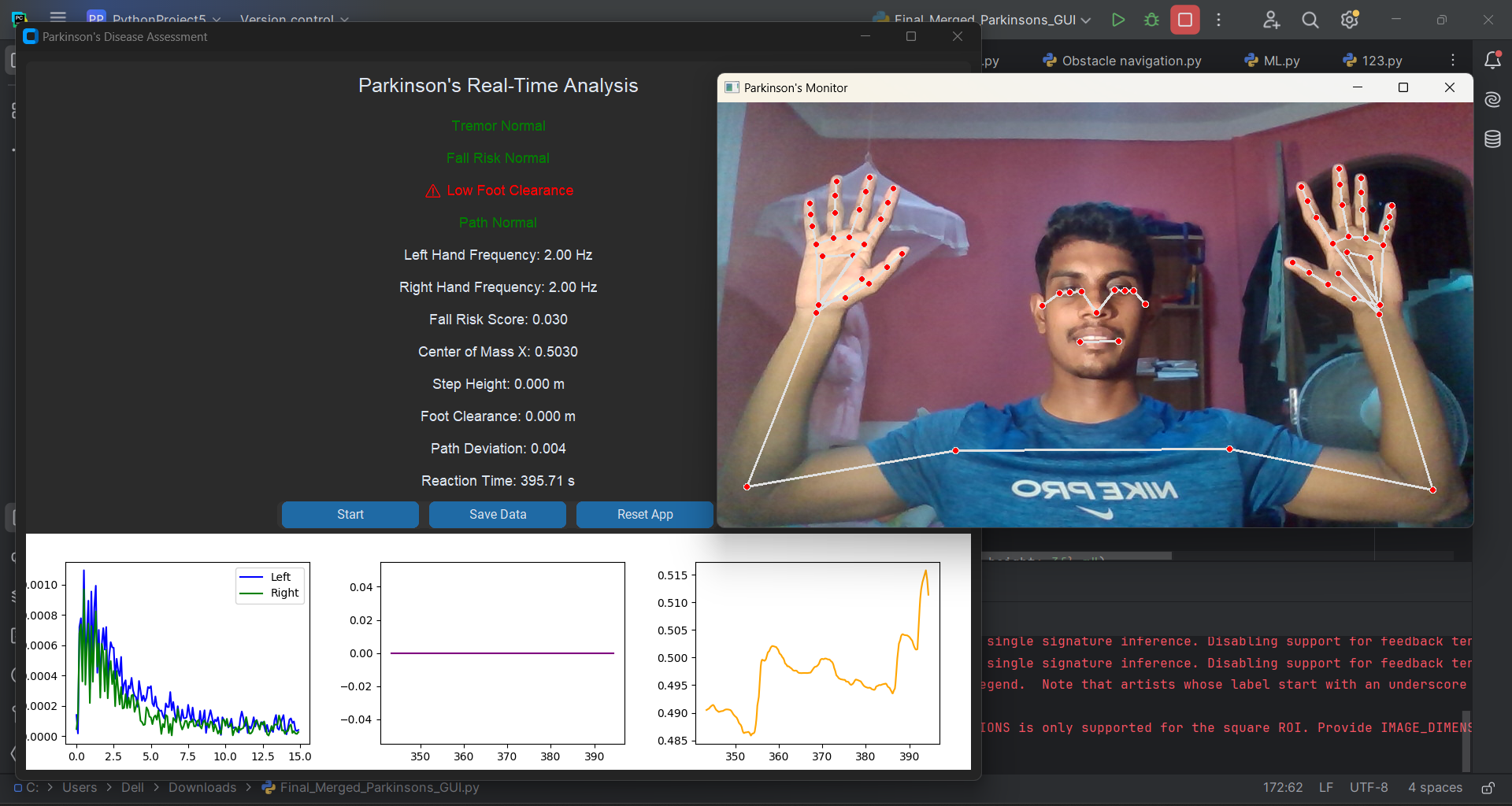
User Interface
Research Students

Maneesh Ekanayake

Jayasanka Chamod
×
![]()